Expert Metal Roofing for Tucson & Southern Arizona
David Contreras, owner of DC Roofing of Arizona, has been installing and repairing roofs in Southern Arizona since 2011, and metal roofing remains one of the most performance-driven choices he recommends for Tucson homes. Licensed under ROC #328733, David personally walks every estimate and brings the same attention to metal panel systems - from standing seam to exposed fastener to metal tile - that he applies to every job his crew handles.
Watch: DC Roofing of Arizona in Action
Why Metal Roofing Outperforms Other Materials in the Sonoran Desert
Most roofing materials fight against Tucson's climate. Metal roofing works with it.
Think about what your roof deals with every day. Surface temperatures above 160 degrees in July. UV radiation that breaks down organic materials faster than almost anywhere else in the country. Then monsoon season rolls in and dumps inches of rain in under an hour, followed by 50-mph wind gusts carrying debris across your yard. According to the Metal Roofing Alliance, metal roofs can withstand winds up to 140 mph when properly installed - standing seam systems are rated for 110+ mph wind resistance, exceeding what Tucson's strongest monsoon storms typically deliver. That matters here.
We see the damage other materials take after just a few years in this desert. Asphalt shingles curl and crack. Traditional coatings blister and peel. Metal panels reflect solar heat instead of absorbing it - with a cool metal roof, solar reflectance is dramatically better than dark asphalt. They shed monsoon rain instantly, and they don't degrade under constant UV exposure the way other options do.
The trade-off is upfront cost - metal roofing runs 2–4x the cost of asphalt shingles. But when amortized over a 50-year lifespan versus 20–25 years for shingles in Tucson's climate, the lifetime cost per year is often comparable or lower, without the disruption of a second roof replacement. Homeowners who switch to metal roofing tell us the same thing: their energy bills dropped, their roof stopped being a constant worry, and they wish they'd done it sooner.
- Reflective surface coatings bounce solar energy away from your home, keeping attic temperatures lower
- Zero water absorption means no swelling, no rot, no mold growth after heavy monsoon rains
- Thermal cycling from 110-degree days to 60-degree nights doesn't crack or warp properly fastened metal panels
- Fire resistance gives real peace of mind during dry brush season near the Catalina Foothills
Metal doesn't attract the kind of pest damage we run into on older homes around Barrio Viejo and midtown Tucson. No wood for termites. No granules washing into your gutters every storm.
Metal Roofing System Types for Tucson Homes
Standing seam metal roofing is the premium residential metal system - interlocking vertical panels with concealed fasteners that create a clean, modern profile. The concealed fastener design eliminates the exposed fastener failures common on corrugated systems and handles thermal expansion through floating clip attachments. Standing seam is the right choice for most Tucson homeowners investing in metal roofing for the long term, and it's what David recommends for flat and low-slope applications as well.
Exposed fastener metal panels (corrugated and R-panel) are lower cost and appropriate for outbuildings, covered patios, and commercial applications where aesthetics are less critical. Exposed fasteners require periodic inspection and resealing as rubber washers degrade over time in Arizona's UV environment. On low-slope roofs, exposed-fastener panels will leak - standing seam is the only correct choice when water doesn't sheet off quickly.
Metal tile and metal shingle systems offer the aesthetic of tile or shake roofing with the performance of metal. These are particularly useful in HOA communities where traditional metal panel profiles aren't approved but tile or shingle aesthetics are required. See also our roof replacement service if you're comparing full system options.
Flat and Low-Slope Roofs Across South Tucson Require a Different Approach
Metal roofing on a flat or low-slope roof isn't the same job as a steep residential install. The fastening system changes. The panel profile changes. If you get the details wrong, you're looking at standing water and leaks within a year or two.
We work on a lot of flat and low-slope structures in Tucson, especially older commercial buildings and mid-century homes near the Pueblo Gardens and Julia Keen neighborhoods. For these roofs, we use standing seam metal panels almost exclusively - raised interlocking seams that sit above the water line so pooling water can't penetrate the joint, with concealed fasteners that expand and contract with Tucson's thermal cycling without backing out screws or cracking sealant.
David walks every flat roof personally before we start, checking slope with a level and mapping out where water naturally wants to travel. That tells us exactly how to lay out panels and where to reinforce seams - the kind of detail you only learn from doing this work in the desert, where a monsoon can dump two inches in thirty minutes on a roof that barely tilts. Scuppers, internal drains, and crickets behind HVAC curbs all get proper attention.
Metal Roofing and Noise: What to Expect in Arizona
The most common concern homeowners raise about metal roofing is noise during rain - particularly relevant in a climate with Tucson's intense monsoon downpours. On homes with proper insulation and solid decking (as opposed to open purlins), noise is minimal and often comparable to other roofing materials. We install metal roofing over solid decking with appropriate underlayment in all residential applications - this significantly reduces rain noise. If you've stood inside a home with a properly installed metal roof during a Tucson monsoon, you'll know it performs quietly.
Metal Roofing and Solar Panels: A Natural Pairing in Tucson
Tucson's exceptional solar resource makes rooftop solar one of the most popular home investments in Southern Arizona, and metal roofing and solar panels are a natural pairing. Metal roofs offer a secure, long-lived mounting surface that matches or exceeds the expected lifespan of the solar array - you won't be pulling panels off in 20 years to replace a degraded shingle roof underneath. See our solar panel roofing prep service for details on getting your roof ready before panels go on.
What a Proper Metal Roof Installation Actually Looks Like
Most people have never watched a metal roofing job from start to finish. Here's how David and the DC Roofing crew handle every install - no steps skipped, no corners cut:
- Strip the old roofing material down to the deck. Every layer comes off. We inspect the plywood or OSB sheathing for rot, soft spots, and damage from past leaks.
- Replace any bad decking. You'd be surprised how often we find soft sections, especially around old evaporative cooler penetrations. Can't put new metal over a weak deck.
- Install ice and water shield or synthetic underlayment. This is your second line of defense. In a desert with monsoon-driven rain, it matters more than people think.
- Set the drip edge and flashing. Every valley, every pipe boot, every wall gets flashed properly. Thermal cycling in Tucson stresses these joints hard, so we don't cut corners here.
- Lay the metal panels with correct fastener spacing and alignment. Over-driven screws crack the finish. Under-driven screws let water in. There's a sweet spot and our crew hits it every time.
- Seal all penetrations and install ridge caps with proper ventilation.
The problems we see on failed metal roofs trace back to bad decking or sloppy flashing. The panels themselves are almost never the issue. David comes out for every estimate and walks the roof himself - you're getting a straight read from the person running the job. Licensed under ROC #328733, fully insured, and we clean up every day we're on your property.
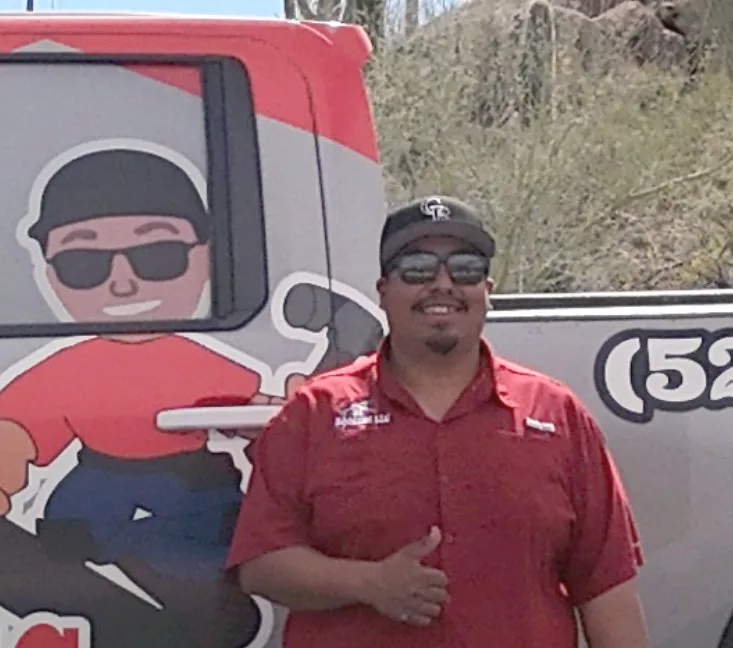
David Contreras, Owner & Founder - DC Roofing of Arizona · Licensed ROC #328733 · Tucson native since 1989
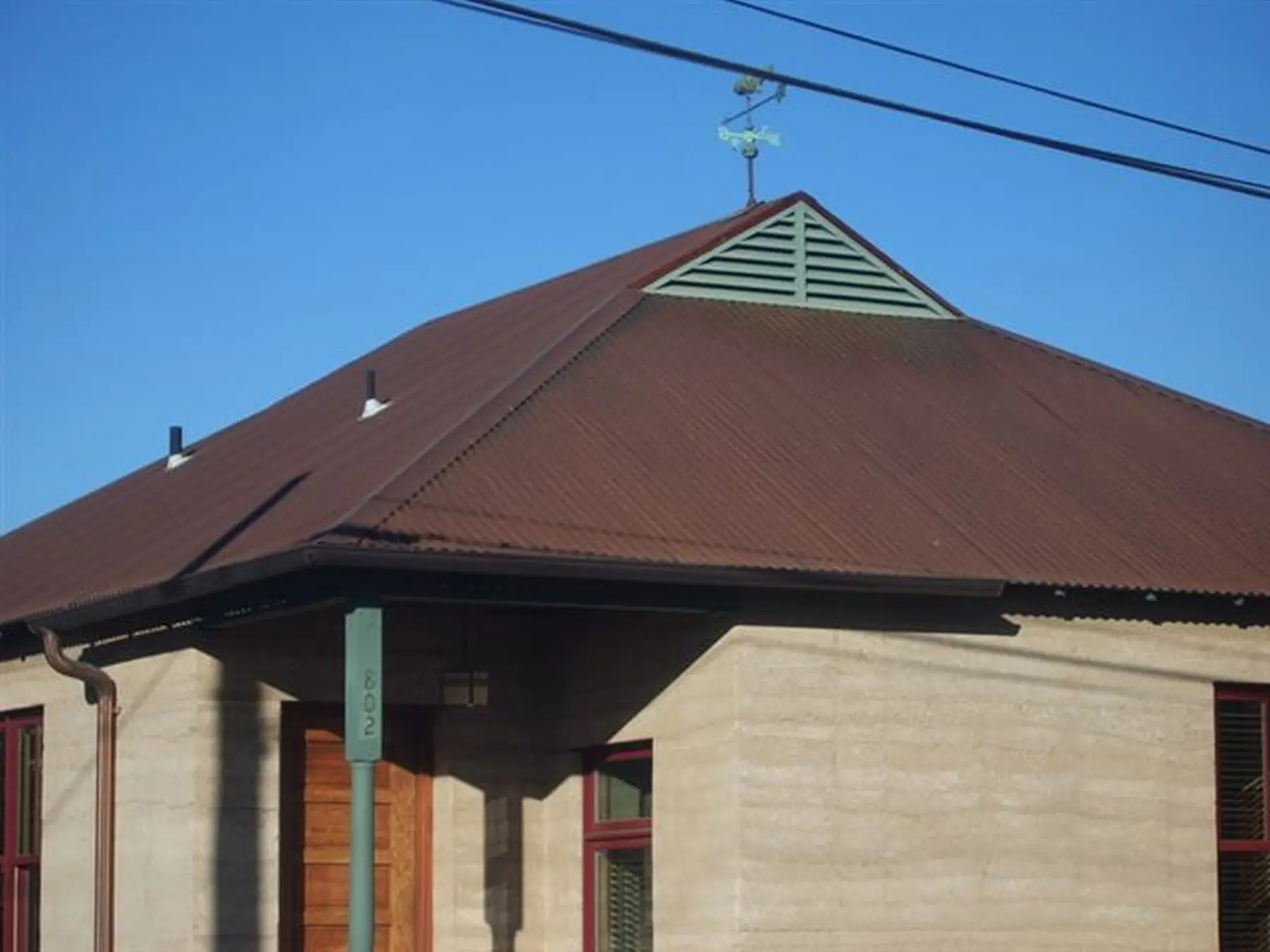
Metal Roofing Projects Completed in Tucson
How Our Metal Roofing Process Works
- 1
Deck Strip & Inspection
We strip every layer of old roofing material down to the deck and inspect the plywood or OSB sheathing for rot, soft spots, and damage from past leaks. Anything compromised gets replaced before a single panel goes on.
- 2
Deck Repair & Underlayment
Damaged decking sections - especially common around old evaporative cooler penetrations - are replaced. Then we install ice and water shield or synthetic underlayment across the full deck as a second line of defense against monsoon-driven rain.
- 3
Drip Edge & Flashing
Every valley, pipe boot, wall transition, and HVAC curb gets properly flashed. Tucson's daily thermal cycling puts constant stress on these joints - David personally checks each one before panel work begins.
- 4
Panel Installation
Metal panels are laid with precise fastener spacing and alignment. Over-driven screws crack the finish coating; under-driven screws allow water intrusion. Our crew hits the correct torque every time, and panel profiles are selected to match your roof's pitch - standing seam for low-slope applications, appropriate profiles for steep residential installs.
- 5
Penetrations, Ridge Caps & Cleanup
All penetrations are sealed, ridge caps are installed with proper ventilation, and we clean up every day we're on your property. David does a final walkthrough before we call the job complete.
Ready to Get Started?
Fast response. Licensed ROC #328733. 4.8★ across 100+ Google reviews.
Metal Roofing Services We Provide in Tucson and Southern Arizona
What Tucson Homeowners Gain from Choosing DC Roofing of Arizona
Metal Roofing in Tucson, Oro Valley, Marana, Sahuarita, Green Valley, and Vail
DC Roofing of Arizona provides metal roofing services throughout Southern Arizona, including:
Frequently Asked Questions About Metal Roofing in Tucson
Does metal roofing hold up to Tucson's monsoon season?
Yes, metal roofing handles monsoon season better than any other roofing material available in Tucson. Metal panels shed heavy rain instantly instead of absorbing it. Properly installed metal roofs can withstand winds up to 140 mph. Standing seam systems use raised interlocking seams that sit above the water line, so pooling water can't get through. After a storm, you won't be checking for cracked tiles or waterlogged shingles.
Is metal roofing a good fit for flat or low-slope roofs in Tucson?
Metal roofing works great on flat and low-slope roofs in Tucson, but only when the right panel system is used. Exposed-fastener panels on a low-slope roof will leak. Standing seam panels are the correct choice because fasteners are hidden beneath the seam and panels expand and contract without backing out screws. Many older homes and commercial buildings near Pueblo Gardens have low-slope roofs that need this specific approach to stay watertight.
When is the best time of year to install a metal roof in Tucson?
October through April is the best window for metal roof installation in Tucson. Cooler, drier conditions give crews better working conditions and reduce the chance of afternoon monsoon delays. Summer installs are possible but need careful scheduling around triple-digit heat, which can affect sealant curing times. If you're thinking about scheduling, getting on the calendar before spring fills up gives you the most flexibility.
Will a metal roof actually lower my energy bills in Tucson's heat?
Yes, most homeowners in Tucson see lower cooling costs after switching to metal roofing. Metal panels with reflective surface coatings bounce solar energy away instead of absorbing it, which keeps attic temperatures lower. When your attic runs cooler, your AC doesn't have to work as hard during July and August. The effect is most noticeable on homes that previously had dark asphalt shingles, which absorb heat aggressively under our desert sun.
Does Tucson require any permits for metal roof installation?
Yes, most metal roof installations in Tucson require a permit through the City of Tucson Development Services Department. Permit requirements cover structural load, fastening methods, and fire ratings depending on your roof type and location. A licensed contractor handles the permit process for you. Working with a ROC-licensed contractor, like we are under ROC #328733, means the paperwork and inspections are handled correctly so your installation meets local code.
How much does metal roofing cost in Tucson?
Metal roofing in Tucson ranges from $12–$20 per square foot installed for exposed fastener systems to $18–$30+ for standing seam. A 2,000 sq ft residential roof runs approximately $24,000–$60,000 depending on the system and complexity. This is significantly more than asphalt shingles upfront, but amortized over 50+ years, the cost per year is comparable to replacing shingles twice. Call (520) 979-9095 for a free written estimate.
Is metal roofing noisy during Tucson monsoon rain?
On a properly installed residential metal roof, noise is minimal - often comparable to other roofing materials. The misconception comes from corrugated metal on open purlins (like an uninsulated barn). We install metal roofing over solid decking with appropriate underlayment in all residential applications, which significantly dampens rain noise. If you've stood inside a home with a properly installed metal roof during a Tucson monsoon, you'll know it performs quietly.
Can I pair a metal roof with solar panels in Tucson?
Yes, and it's one of the best combinations available. Metal roofs provide a secure, long-lived mounting surface that matches or exceeds the expected lifespan of the solar array - you won't be removing panels in 20 years to replace a degraded roof underneath. Tucson's solar resource makes this pairing especially practical. We recommend getting your roof assessed and any ventilation issues corrected before panels go on.