Expert TPO Roofing for Tucson & Southern Arizona
David Contreras, owner of DC Roofing of Arizona (ROC #328733), has been installing and repairing roofs across Southern Arizona since 2011. He founded DC Roofing of Arizona in 2020 specifically to bring honest, technically precise flat roofing work to commercial and residential property owners in Tucson. TPO membrane roofing is the system David's crew installs more than any other - and the one he personally inspects on every job before the crew packs up.
Watch: DC Roofing of Arizona in Action
Why Flat Roofs in Tucson Fail, and What TPO Fixes
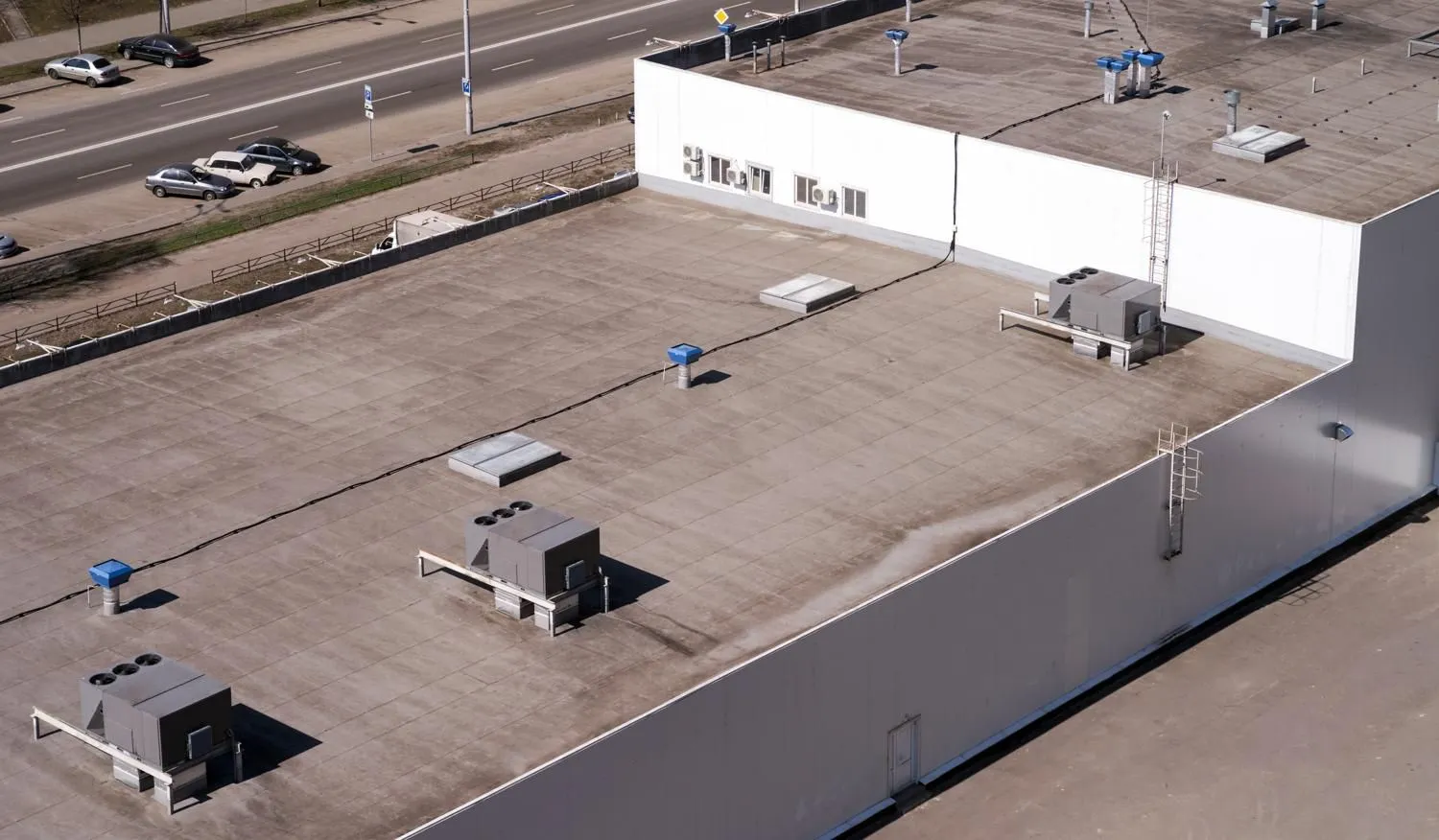
We climb onto flat roofs all over Tucson, from strip malls on South 6th Avenue to office buildings near downtown. The same problems show up again and again. Most of the time, the root cause is the same: the existing membrane just can't handle what this desert throws at it.
Flat roofs sit there and take it. No slope to shed water fast. No pitch to reduce direct sun exposure. So every weakness in the roofing material gets tested hard, every day. Tucson's UV index regularly hits extreme levels for months. That kind of radiation breaks down older roofing materials at the molecular level, turning them brittle and cracked. Then monsoon season rolls in and dumps rain on a surface that's already compromised. Water pools. Seams open up. Leaks start.
Here's what we see most often on failing flat roofs:
- Seam separation where old adhesives have dried out from heat cycling
- Surface cracking and alligator patterns from years of UV damage
- Ponding water in low spots that accelerates membrane breakdown
- Failed flashing around HVAC units, vents, and evaporative cooler penetrations
That last one is huge. Evaporative coolers are everywhere in Tucson, and every one of them creates a roof penetration that needs to stay sealed through 110-degree summers and driving monsoon rains. Most older membrane materials can't keep up.
TPO membrane roofing solves these problems directly. The material reflects UV instead of absorbing it, according to the Department of Energy's cool roofing research. That slows degradation. TPO seams are heat-welded, not glued, so they don't dry out and pull apart the way adhesive-based seams do after a few years of thermal cycling. And the membrane itself stays flexible in extreme heat rather than going rigid and cracking.
When a building owner in the Armory Park area or anywhere else in Tucson calls us about a leaking flat roof, TPO is the fix that lasts.
Membrane Thickness Is a Desert Decision, Not a Budget Line
We get asked about TPO thickness on almost every commercial job in Tucson. And it's the right question. But most people frame it wrong. They think thicker means "better" and thinner means "cheaper." That's not how it works here.
TPO membrane comes in three standard thicknesses: 45 mil, 60 mil, and 80 mil. Each one has a place. The trick is matching the thickness to what your building actually deals with every day. In the desert, that means UV exposure, thermal cycling, and foot traffic from HVAC techs climbing around up there.
Here's what we see drive the decision on most Tucson roofs:
- Rooftop equipment like evaporative coolers or HVAC units that need regular service access
- Buildings with no shade, sitting in direct sun for 10+ hours a day
- Low-slope roofs where ponding water collects after monsoon storms
- Properties near the Tucson International Airport corridor or along South 6th Avenue where gravel and debris blow onto flat roofs
A small office building with minimal rooftop equipment might do fine with 60 mil. But a warehouse on the south side with three AC units and a crew walking the roof monthly? That's an 80 mil job. TPO membranes that meet ENERGY STAR roof product requirements for solar reflectance are especially well-suited to high-UV climates like Tucson's, and white TPO also satisfies IECC cool roof requirements without any additional coating step. So why not just go 80 mil on everything? Sometimes it's not needed, and David will tell you that directly. A building with good drainage and low foot traffic doesn't need the heaviest membrane.
Heat-Welded Seams Are the Most Critical Part of Any Tucson TPO Job
You can pick the best TPO membrane on the market. You can prep the deck perfectly. But if the seams aren't welded right, none of it matters.
Seams are where two sheets of TPO membrane overlap and get fused together with a hot-air welding tool. The goal is a bond that's stronger than the membrane itself. When it's done correctly, water can't find a way in. When it's done wrong, you've got a flat roof in Tucson collecting monsoon rain right at the weak point. We see failed seams on buildings all over the midtown area, usually from crews that rushed the weld or didn't account for surface conditions.
Here's what makes seam welding tricky in our climate. The membrane temperature before welding has to fall in a specific range. On a 110-degree roof in July, the material is already hot before the welder even touches it. That changes the speed, the pressure, everything. On a cooler winter morning, you've got the opposite problem. A crew that doesn't adjust for those swings will produce seams that look fine but fail within a year or two.
There are a few things we check on every seam:
- Weld width of at least 1.5 inches across the full length of the overlap
- No wrinkles, fish mouths, or lifted edges at any point
- Consistent color change in the weld zone - that tells us the heat was right
- Clean bond at T-joints where three sheets meet
After welding, we probe every seam by hand with a blunt tool. If anything lifts or separates, we re-weld it on the spot. David checks seam work personally on every job because there's no shortcut here.
TPO vs. EPDM vs. Modified Bitumen - Choosing the Right System
Tucson building owners with flat roofs sometimes ask how TPO compares to the other common options. EPDM (synthetic rubber) is an older system - black membrane with lower reflectivity, adhesive or mechanically-fastened seams (not heat-welded). EPDM performs well in moderate climates but the dark surface and lower reflectivity are disadvantages in Tucson's heat-intensive environment. Modified bitumen is common on residential flat roofs installed from the 1980s–2000s - torch-applied or cold-adhesive systems that perform well but have lower reflectivity and shorter expected lifespan than TPO. For new commercial flat roofing in Tucson, TPO is the standard recommendation. For existing systems in good condition, coating restoration is often more cost-effective than replacement. See our flat roof solutions page for more information on repairs across all system types.
The Monsoon Drain Audit Every Tucson TPO Install Should Include
Most people don't think about drainage until water's pooling on their roof. By then you've got a problem that could've been avoided months ago. Before we install any TPO system in Tucson, David runs a full drain audit. Every time.
Tucson's monsoon season dumps rain fast and hard - inches in under an hour sometimes, especially out near the Catalina Foothills. A flat or low-slope commercial roof with TPO membrane can handle that water just fine. But only if the drainage system is actually doing its job. If a roof needs tapered insulation to correct slope issues, we figure that out during the audit. If scuppers are undersized for the volume of rain this area gets, we address it before the membrane goes down. Ponding water on a flat roof isn't a membrane failure - it's a drainage failure. The membrane just takes the blame.
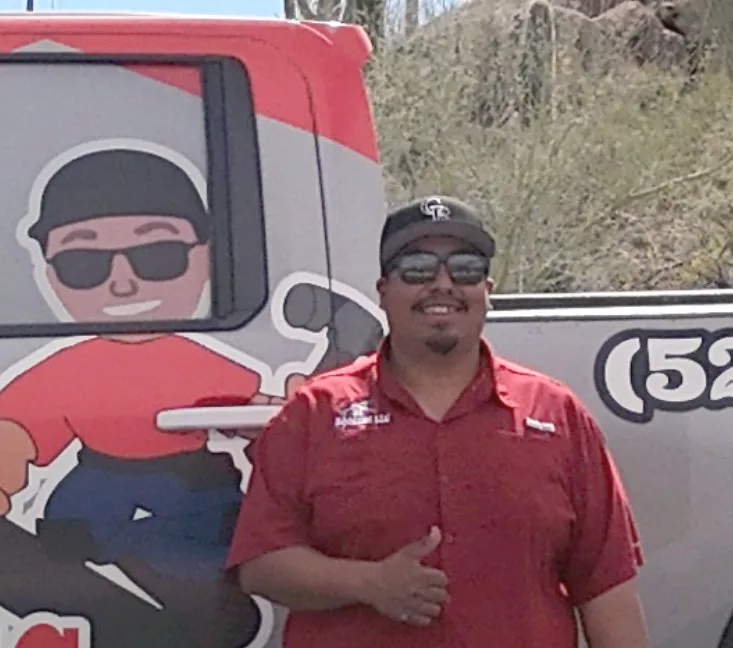
David Contreras, Owner & Founder - DC Roofing of Arizona · Licensed ROC #328733 · Tucson native since 1989
TPO Roofing Projects Completed in Tucson
How Our TPO Roofing Process Works
- 1
Tear-Off or Surface Prep
If there's old material that needs to come off, we strip it down to the deck. On some flat roofs we can install over an existing single layer if the deck is solid - David's inspection determines the right approach. No guessing.
- 2
Deck Repair
Rotted plywood, damaged lightweight concrete, and soft spots from old leaks all get fixed before anything new goes down. Skipping this step is how bad installs happen and it's the most common reason early failures occur on re-roofing jobs.
- 3
Insulation & Coverboard
This layer sits between the deck and the TPO membrane, adding thermal performance. It also corrects any slope deficiencies identified during the drain audit so water moves toward drains rather than pooling on the membrane.
- 4
Membrane Installation & Seam Welding
We mechanically fasten or fully adhere the TPO membrane depending on your building's needs. Seams are heat-welded at around 900°F, creating a bond stronger than the membrane itself. Every seam is probed by hand and re-welded immediately if anything doesn't pass inspection.
- 5
Penetration & Edge Flashing
Pipes, drains, curbs, parapet walls, HVAC curbs, and evaporative cooler penetrations each get custom TPO flashing treatment. This is where most flat roof leaks start, so we don't rush this step and David personally reviews every detail.
- 6
Final Walkthrough & Cleanup
We inspect every seam, every edge, and every flashing boot before we leave. Drain boots are verified fully welded into the membrane. We clean up the site and walk you through what was done and what to watch for.
Ready to Get Started?
Fast response. Licensed ROC #328733. 4.8★ across 100+ Google reviews.
TPO Roofing Services We Provide in Tucson and Southern Arizona
What Tucson Homeowners Gain from Choosing DC Roofing of Arizona
TPO Roofing in Tucson, Oro Valley, Marana, Sahuarita, Green Valley, and Vail
DC Roofing of Arizona provides tpo roofing services throughout Southern Arizona, including:
Frequently Asked Questions About TPO Roofing in Tucson
How does Tucson's heat and monsoon season affect a TPO membrane roof?
TPO handles Tucson's climate better than most flat roofing materials because it reflects UV instead of absorbing it. That matters here, where the UV index hits extreme levels from April through September. The heat-welded seams don't dry out the way glued seams do after years of thermal cycling. When monsoon rains hit a compromised roof, water pools fast. TPO's flexibility and reflectivity slow that breakdown cycle significantly compared to older membrane types.
Does TPO roofing work well on buildings with evaporative coolers on the roof?
Yes, and this is one of the most common situations we see on Tucson flat roofs. Every evaporative cooler creates a roof penetration that has to stay sealed through 110-degree summers and driving monsoon rains. TPO membrane gets custom-flashed around each curb and penetration. Heat-welded flashing details hold up far better than adhesive-based materials that dry out and pull away from the curb over time. If your building has multiple coolers with regular service access, we factor that into membrane thickness too.
How do I know which TPO membrane thickness is right for my building?
The right thickness depends on what your roof actually deals with every day. A small office with good drainage and low foot traffic may be fine with 60 mil. A warehouse with multiple HVAC units and a crew walking the roof monthly is usually an 80 mil job. Tucson's sustained UV exposure from April through September breaks down thinner membranes faster than building owners expect. We look at rooftop equipment, shade exposure, drainage, and foot traffic before making a recommendation - and David gives you an honest answer, not an upsell.
Can TPO be installed over my existing flat roof, or does the old material have to come off first?
It depends on what the inspection shows. On some flat roofs, we can install over a single existing layer if the deck underneath is solid and dry. But if there's moisture trapped in the old material, soft spots, or rotted decking, the old material has to come off first. Skipping deck repairs before a new install is how bad jobs happen. We check every roof before we commit to an approach, so you get an honest answer based on your specific building.
How long does a TPO roof installation take on a typical Tucson commercial building?
Most commercial TPO installs in Tucson take two to five days depending on roof size, deck condition, and how many penetrations need flashing. Larger buildings or roofs with significant deck repairs take longer. We schedule work to avoid the hottest midday hours in summer when possible, which keeps the crew working efficiently and protects the membrane during installation. After the job, we do a full walkthrough with you before we leave the site.
Does Tucson require permits for a commercial TPO roof replacement?
Yes, most commercial roofing replacements in Tucson require a permit through the City of Tucson Development Services Department. The requirements depend on the scope of work, building type, and whether structural repairs are involved. We handle the permitting process on commercial jobs so you don't have to track it down yourself. Getting the permit done right also protects you if you ever sell the property or file an insurance claim related to the roof.
How much does TPO roofing cost in Tucson?
TPO roofing installation in Tucson runs approximately $5–$10 per square foot installed for commercial projects, depending on roof complexity, insulation requirements, and access. A 5,000 sq ft commercial flat roof might run $25,000–$50,000 for a complete replacement. Residential TPO on a flat-roof home is in a similar per-square-foot range but lower total cost. DC Roofing of Arizona provides free written estimates - call (520) 979-9095.
Does TPO qualify as a cool roof in Arizona?
Yes. White TPO membrane with a Solar Reflectance Index (SRI) of 78+ is one of the most straightforward ways to achieve cool roof compliance under Arizona's energy code (IECC) for commercial re-roofing projects. Most major TPO manufacturers certify their white membrane products through the Cool Roof Rating Council (CRRC). This is one reason TPO has become the standard commercial specification in Tucson.